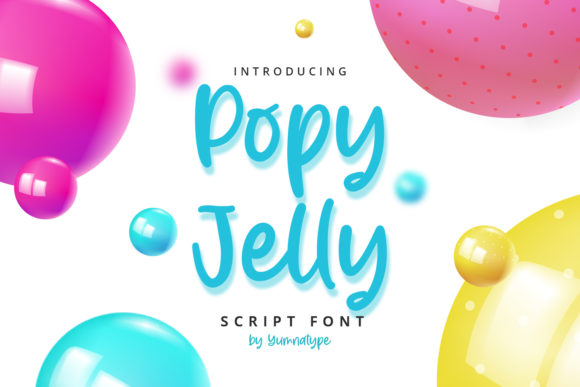
Popy Jelly Font for Web Design
Popy Jelly is a stylish handwritten font that brings a personal and elegant touch to digital design. As a web designer, I appreciate how this script font can enhance visual storytelling and create a unique brand identity. Its fluid curves and natural flow make it ideal for projects that require a warm, creative tone.
When used in headers, hero sections, or call-to-action buttons, Popy Jelly adds a sense of authenticity and craftsmanship. It works well in designs where a human element is important, such as wedding invitations, greeting cards, or branding materials that aim to feel more approachable and personal.
Using Popy Jelly in Web Layouts
In web design, Popy Jelly excels as a display font for short phrases, logos, and decorative elements. It’s not intended for large blocks of text but shines when used strategically to draw attention and add character. For example, on a creative portfolio site, using Popy Jelly for project titles or section headings can help differentiate content and guide the user's eye through the page.
On landing pages, pairing Popy Jelly with a clean sans serif font like Roboto or Open Sans creates a balanced contrast. This combination improves readability while maintaining a modern aesthetic. The handwritten style of Popy Jelly can also be used in social media graphics or email newsletters to reinforce brand personality and engagement.
Readability and Visual Hierarchy
While Popy Jelly is beautiful, its legibility depends on context. On mobile screens, it’s best used in larger sizes and limited to short phrases. When designing for small buttons or dark backgrounds, ensure there’s enough contrast and spacing to maintain clarity. For image overlays, consider using a lighter weight or alternate style to avoid overwhelming the background.
For web typography, Popy Jelly contributes to visual hierarchy by standing out from more neutral typefaces. It’s particularly effective in CTA buttons, where its uniqueness can encourage interaction. However, overuse may reduce its impact, so it’s important to use it sparingly and purposefully.
Brand Tone and User Engagement
Choosing a font like Popy Jelly can influence how users perceive a brand. Its soft, flowing strokes convey creativity, warmth, and individuality—qualities that resonate well with audiences looking for personalized experiences. This makes it a great choice for boutique online stores, coaching websites, or course sales pages that aim to build trust and connection.
In editorial design, Popy Jelly can be used for headlines or subheadings to add a distinctive flair. When paired with a serif font like Georgia or Playfair Display, it creates a refined and professional look suitable for blogs, magazines, or digital publications.
Font Pairing and Design Assets
When working with Popy Jelly, consider the other fonts in your design system. A decorative display font like this pairs well with simple, neutral typefaces that provide structure and balance. For body copy, a sans serif font ensures readability without distracting from the main message.
Check the available styles and weights of Popy Jelly to determine which versions suit your needs. Some fonts include alternates, ligatures, or stylistic sets that can add variety and customization. If the font supports multilingual characters, it’s a valuable asset for global brands or international audiences.
Commercial Use and Licensing
When using Popy Jelly for client projects, online stores, or digital templates, always verify the licensing terms. Ensure that the font allows for commercial use and that you have the necessary permissions for web embedding, app integration, or print applications. This helps avoid legal issues and ensures compliance with font agreements.
As a digital product creator, I recommend including Popy Jelly in your design toolkit for projects that benefit from a handwritten, artistic touch. Whether you're building a website, creating social media assets, or designing a brand kit, Popy Jelly offers a versatile and expressive option for enhancing visual communication.
Its ability to blend elegance with functionality makes it a valuable addition to any web designer’s or UI designer’s font collection. By understanding its strengths and limitations, you can leverage Popy Jelly to create engaging, visually cohesive digital experiences that align with your brand’s voice and goals.